DFW Neighborhood Guide
Where to live in Dallas–Fort Worth
Honest overviews of ten popular areas for people relocating to DFW: the vibe, the typical commute and who each place suits.
How to use this guide. Commute times are approximate and depend heavily on time of day; test your real route in a maps app at your actual commute hour. School district boundaries do not match city limits, so always verify the assigned schools for a specific address with the district. I never quote rents here because they change constantly; check current listings or ask me for a fresh shortlist.
Jump to an area
- Uptown and Downtown Dallas
- Plano
- Frisco
- McKinney
- Irving and Las Colinas
- Prosper
- Anna
- Fort Worth
- Arlington
- Grand Prairie
Uptown and Downtown Dallas
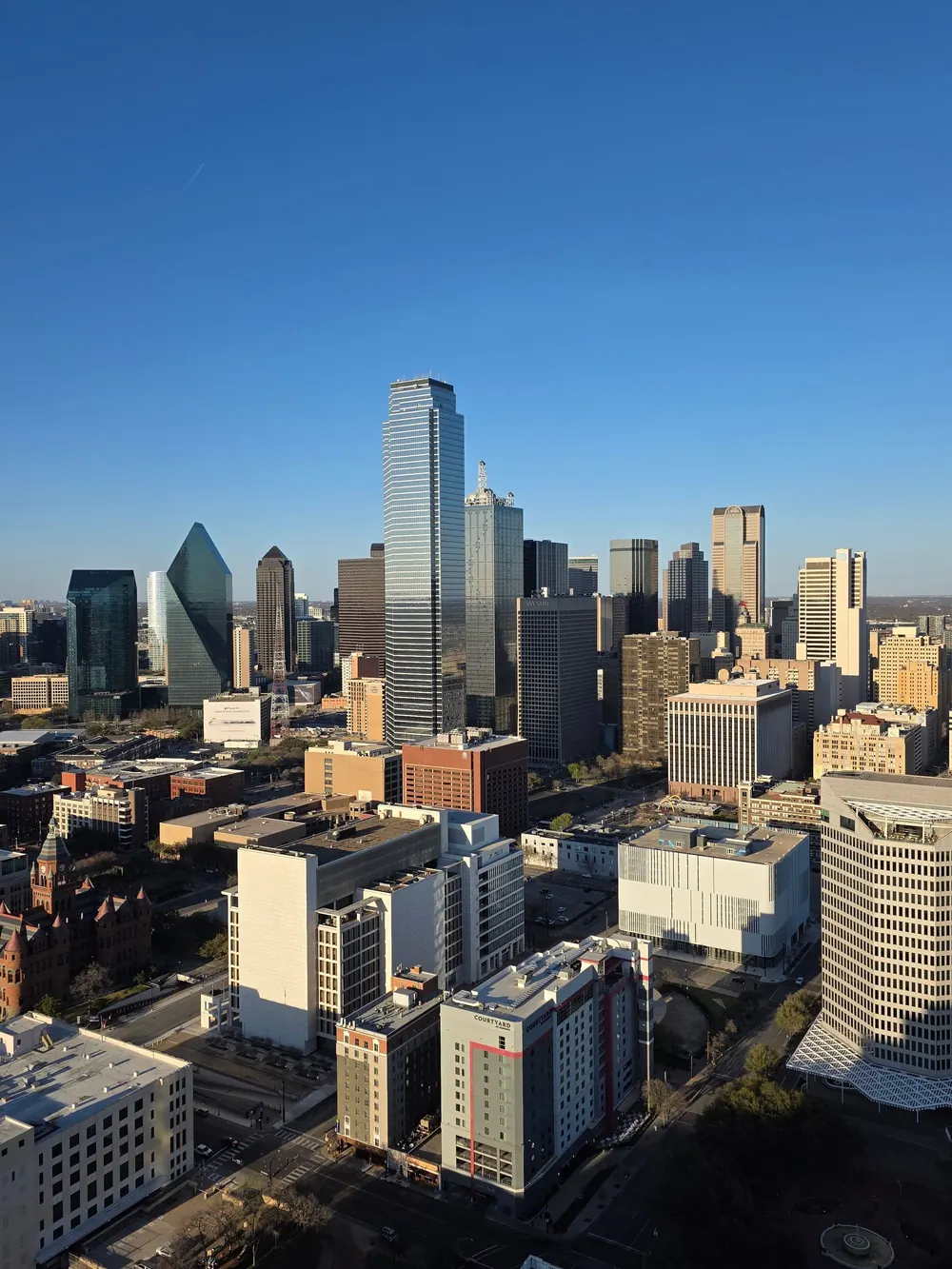
Dallas’s most urban living. Uptown is a walkable mix of mid- and high-rise apartments, restaurants and patios along McKinney Avenue, with the Katy Trail for running and the free M-Line vintage trolley. Downtown next door has the Arts District, Klyde Warren Park (a deck park built over the Woodall Rodgers Freeway), the AT&T Discovery District and historic Main Street, with Deep Ellum’s live music a short ride east.
- Typical commute
- Downtown is the hub of DART light rail: every rail line passes through it, and the TRE commuter train runs from Union Station to Fort Worth. Many Uptown and Downtown residents walk, take the trolley or ride DART to work. Driving north to Plano or Frisco offices is a reverse commute but still heavy at peak times.
- Who it suits
- Young professionals, couples without children, people who want to walk to dinner and be close to Downtown employers, and newcomers who want to try city life before choosing a suburb.
- Schools
- Public schools are part of Dallas ISD, which offers many magnet and choice schools by application. Compare campuses on TXschools.gov (Texas Education Agency).
- Rent
- Check current listings; rents change monthly. For a neutral benchmark see HUD’s Fair Market Rents.
Plano
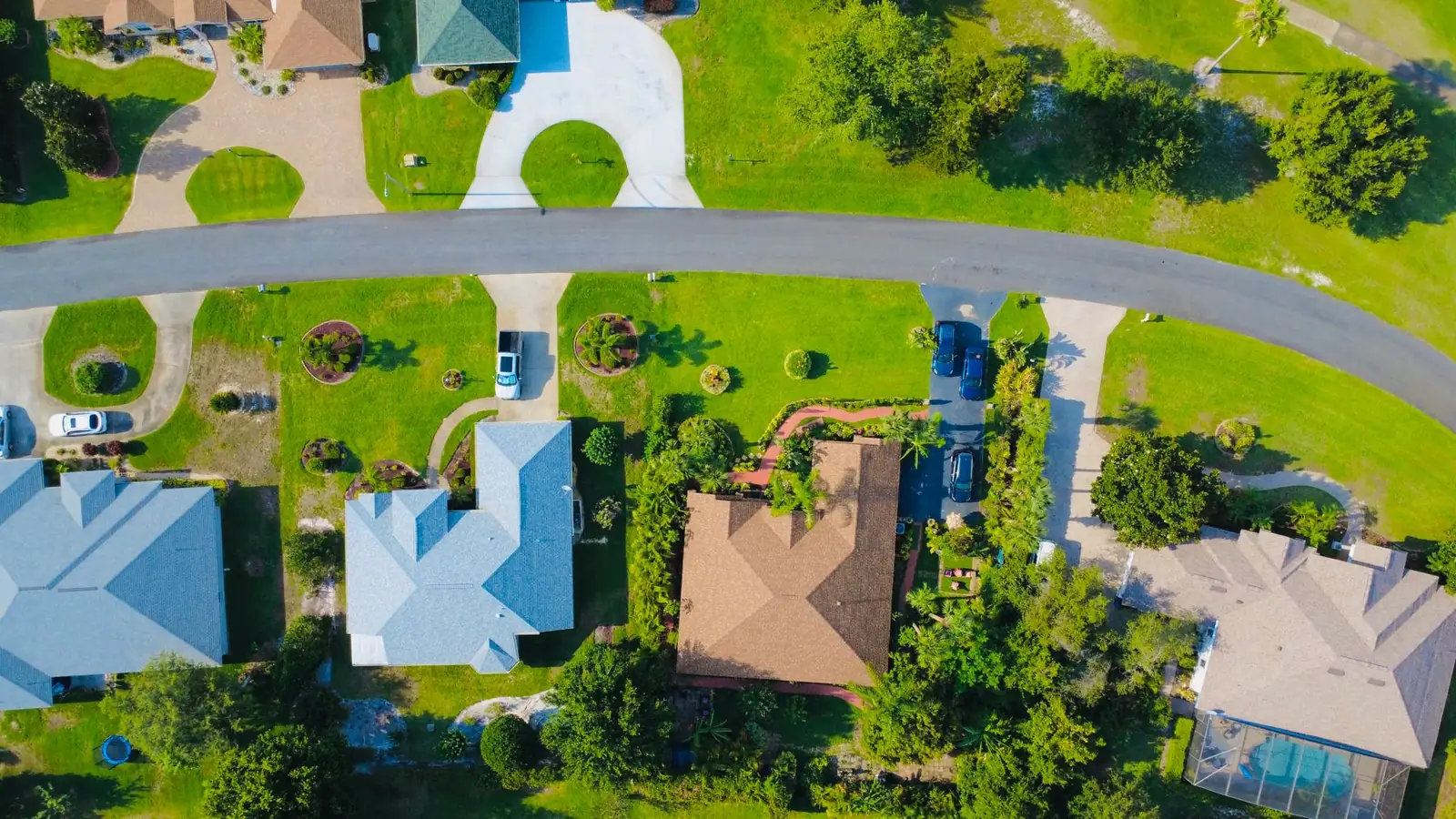
One of the most established northern suburbs, with mature tree-lined neighborhoods, many parks and trails, and a large corporate base. Legacy West and the Legacy area are home to major employers such as Toyota Motor North America and big financial campuses. Historic Downtown Plano has a walkable strip of restaurants beside a DART rail station.
- Typical commute
- Plano is about 20 miles north of Downtown Dallas via US-75 or the Dallas North Tollway. DART’s Red and Orange lines serve Downtown Plano and Parker Road stations, and the Silver Line (opened October 2025) runs east–west from Plano’s Shiloh Road to DFW Airport. Many residents also work locally in Legacy.
- Who it suits
- Families who want strong school options and established neighborhoods, people working in Legacy or along the US-75 corridor, and anyone who wants suburban calm with rail access to Dallas.
- Schools
- Most of Plano is served by Plano ISD; some areas fall in Frisco ISD and other districts, so always check the address. Compare campuses on TXschools.gov (Texas Education Agency).
- Rent
- Check current listings; rents change monthly. For a neutral benchmark see HUD’s Fair Market Rents.
Frisco

One of the fastest-growing cities in the country over the past two decades, Frisco is newer, master-planned and sports-minded: The Star (the Dallas Cowboys’ headquarters and training facility), Toyota Stadium and the PGA of America headquarters at Fields are all here, along with large shopping and dining districts.
- Typical commute
- Frisco is roughly 25 to 30 miles north of Downtown Dallas via the Dallas North Tollway or SH-121 (tolls apply). Frisco is not a DART member city, so most residents drive. Commutes to Plano’s Legacy area are short; commutes to Downtown Dallas can be long at peak hours.
- Who it suits
- Families wanting newer homes and amenities, sports lovers, and people working in Frisco, Plano Legacy or along SH-121.
- Schools
- Mostly Frisco ISD, with some neighborhoods in Prosper, Little Elm or Lewisville ISD; confirm by address. Compare campuses on TXschools.gov (Texas Education Agency).
- Rent
- Check current listings; rents change monthly. For a neutral benchmark see HUD’s Fair Market Rents.
McKinney

The Collin County seat, McKinney blends a genuinely charming historic downtown square (independent shops, restaurants and festivals) with newer subdivisions to the west and north. It feels a little further from the big-city bustle than Plano or Frisco.
- Typical commute
- McKinney is about 30 to 35 miles north of Downtown Dallas via US-75, or via SH-121/Sam Rayburn Tollway toward Frisco and Plano. There is no DART rail service, so plan on driving; peak commutes into Dallas can be long.
- Who it suits
- Families and couples wanting small-town character and more space, remote or hybrid workers, and people working in Frisco, north Plano or along US-75.
- Schools
- Served by McKinney ISD, with parts of the city in Frisco ISD, Prosper ISD, Lovejoy ISD or Melissa ISD depending on the address. Compare campuses on TXschools.gov (Texas Education Agency).
- Rent
- Check current listings; rents change monthly. For a neutral benchmark see HUD’s Fair Market Rents.
Irving and Las Colinas
Irving sits between Dallas and DFW Airport. Las Colinas, a planned business and residential community within Irving, has corporate office towers, the Mandalay Canal walk, Lake Carolyn and the Toyota Music Factory entertainment venue. Older Irving neighborhoods to the south are more affordable and diverse.
- Typical commute
- Las Colinas is about 12 to 15 miles west of Downtown Dallas via SH-114 or I-35E/SH-183, and just minutes from DFW Airport. DART’s Orange Line runs through Irving and Las Colinas to the airport, and the TRE stops in south Irving.
- Who it suits
- Frequent flyers, professionals working at Las Colinas employers, and people who split time between Dallas and Fort Worth.
- Schools
- Most of Irving is served by Irving ISD; north Irving and parts of Las Colinas fall in Carrollton–Farmers Branch ISD or Coppell ISD. Compare campuses on TXschools.gov (Texas Education Agency).
- Rent
- Check current listings; rents change monthly. For a neutral benchmark see HUD’s Fair Market Rents.
Prosper

A fast-growing town at Preston Road and US-380, just north of Frisco, that still keeps a small-town, family-first feel. Prosper spans Collin and Denton counties (most residents live on the Collin side) and has grown from 30,174 people in the 2020 Census to an estimated 49,355 in January 2026 (NCTCOG). Expect mostly newer master-planned neighborhoods and plenty of new construction, with the town planning mixed-use and multifamily districts along its stretch of the Dallas North Tollway.
- Typical commute
- Prosper is roughly 35 to 40 miles north of Downtown Dallas via the Dallas North Tollway (tolls apply) or Preston Road, with US-380 running east–west to McKinney and Denton. The tollway is being extended north from US-380 to FM 428 in Celina, with completion estimated for late 2027. Prosper is not a DART city, so plan on driving; Frisco and Plano Legacy jobs are a much shorter commute than Downtown Dallas.
- Who it suits
- Families wanting newer homes and a strong school-community focus, people working in Frisco, Plano Legacy or along the tollway and SH-121, and buyers comfortable with a longer drive for more space.
- Schools
- Mostly Prosper ISD, which also serves parts of neighboring cities; some Prosper addresses fall in other districts, so confirm by address. The district’s enrollment more than tripled from 2013 to 2023 and it opened two new campuses in August 2026, though growth has recently slowed. Compare campuses on TXschools.gov (Texas Education Agency).
- Rent
- Check current listings; rents change monthly. For a neutral benchmark see HUD’s Fair Market Rents.
Anna

A rapidly growing city in northern Collin County along US-75, SH-5 and SH-121, with a hometown pace, parks and trails, and lots of new subdivisions on open land. Anna’s population roughly doubled from 16,896 in the 2020 Census to an estimated 35,245 in July 2025, making it the fifth-fastest-growing U.S. city of 20,000+ that year (U.S. Census Bureau). The city has approved plans for a new downtown dining and entertainment district.
- Typical commute
- Anna is about 45 miles north of Downtown Dallas via US-75 through McKinney (no tolls, but busy at peak hours); US-380 crosses east–west a few miles south, toward McKinney, Prosper and Denton. There is no DART rail service, so plan on driving. Commutes to McKinney are short; Plano and Dallas commutes are long at rush hour.
- Who it suits
- Budget-minded buyers and renters wanting newer homes and more space, families who like a small-district feel, remote or hybrid workers, and people working in McKinney or along the northern US-75 corridor.
- Schools
- Mostly Anna ISD, a growing district that completed a 44,300-square-foot addition to Anna High School in December 2024; check the address, since nearby areas may fall in Melissa or other districts. Compare campuses on TXschools.gov (Texas Education Agency).
- Rent
- Check current listings; rents change monthly. For a neutral benchmark see HUD’s Fair Market Rents.
Fort Worth

Texas’s fifth-largest city has its own identity: Western heritage at the Stockyards, world-class museums in the Cultural District (the Kimbell, the Modern and the Amon Carter), Sundance Square downtown, and lively Near Southside and Magnolia Avenue. Neighborhoods range from historic bungalows to fast-growing new communities north and west of the city.
- Typical commute
- Downtown Fort Worth is about 30 to 35 miles west of Downtown Dallas via I-30. The TRE commuter rail connects the two downtowns, and TEXRail runs from downtown Fort Worth to DFW Airport. Within Fort Worth, most people drive.
- Who it suits
- People working in Fort Worth or west of the airport, anyone who loves arts, history and a slightly slower pace, and buyers looking for more space for their budget.
- Schools
- Fort Worth ISD serves much of the city, but many neighborhoods are in other districts such as Keller, Northwest, Eagle Mountain–Saginaw, Crowley or Everman ISD. Check by address. Compare campuses on TXschools.gov (Texas Education Agency).
- Rent
- Check current listings; rents change monthly. For a neutral benchmark see HUD’s Fair Market Rents.
Arlington
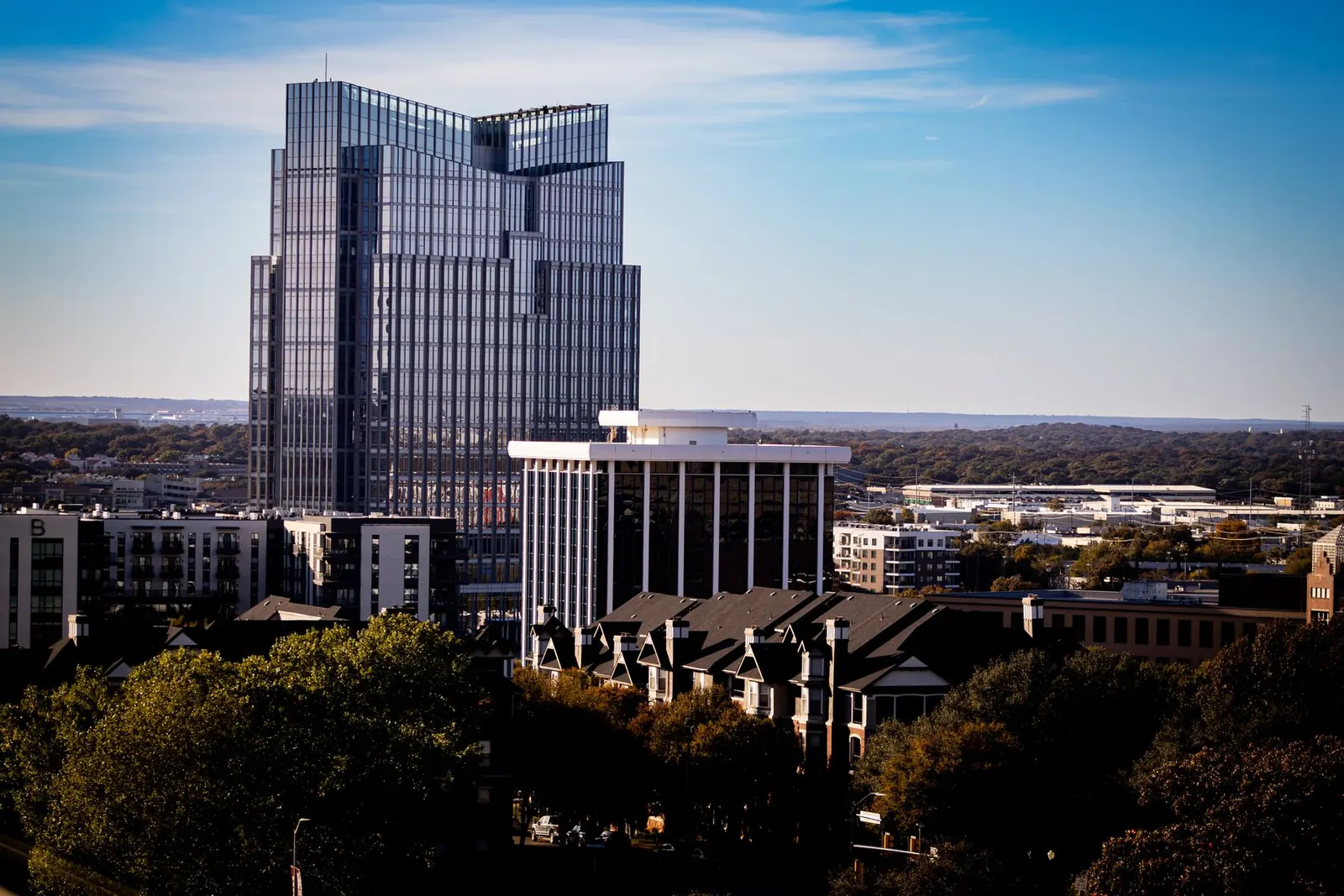
Between Dallas and Fort Worth, Arlington is home to the Entertainment District: AT&T Stadium (Dallas Cowboys), Globe Life Field (Texas Rangers) and Six Flags Over Texas, along with The University of Texas at Arlington. Neighborhoods range from established, affordable areas to newer subdivisions in the south.
- Typical commute
- Arlington is about 20 miles from Downtown Dallas and 15 miles from Downtown Fort Worth via I-30 or I-20, making it a practical midpoint for two-income households working in different cities. Arlington has no traditional fixed-route bus or rail system; the city runs an on-demand rideshare service called Arlington Via.
- Who it suits
- Couples who work in different parts of the metroplex, sports fans, UT Arlington students and staff, and budget-conscious families.
- Schools
- Mostly Arlington ISD, with parts of south Arlington in Mansfield ISD and some areas in Hurst–Euless–Bedford, Kennedale or other districts. Compare campuses on TXschools.gov (Texas Education Agency).
- Rent
- Check current listings; rents change monthly. For a neutral benchmark see HUD’s Fair Market Rents.
Grand Prairie
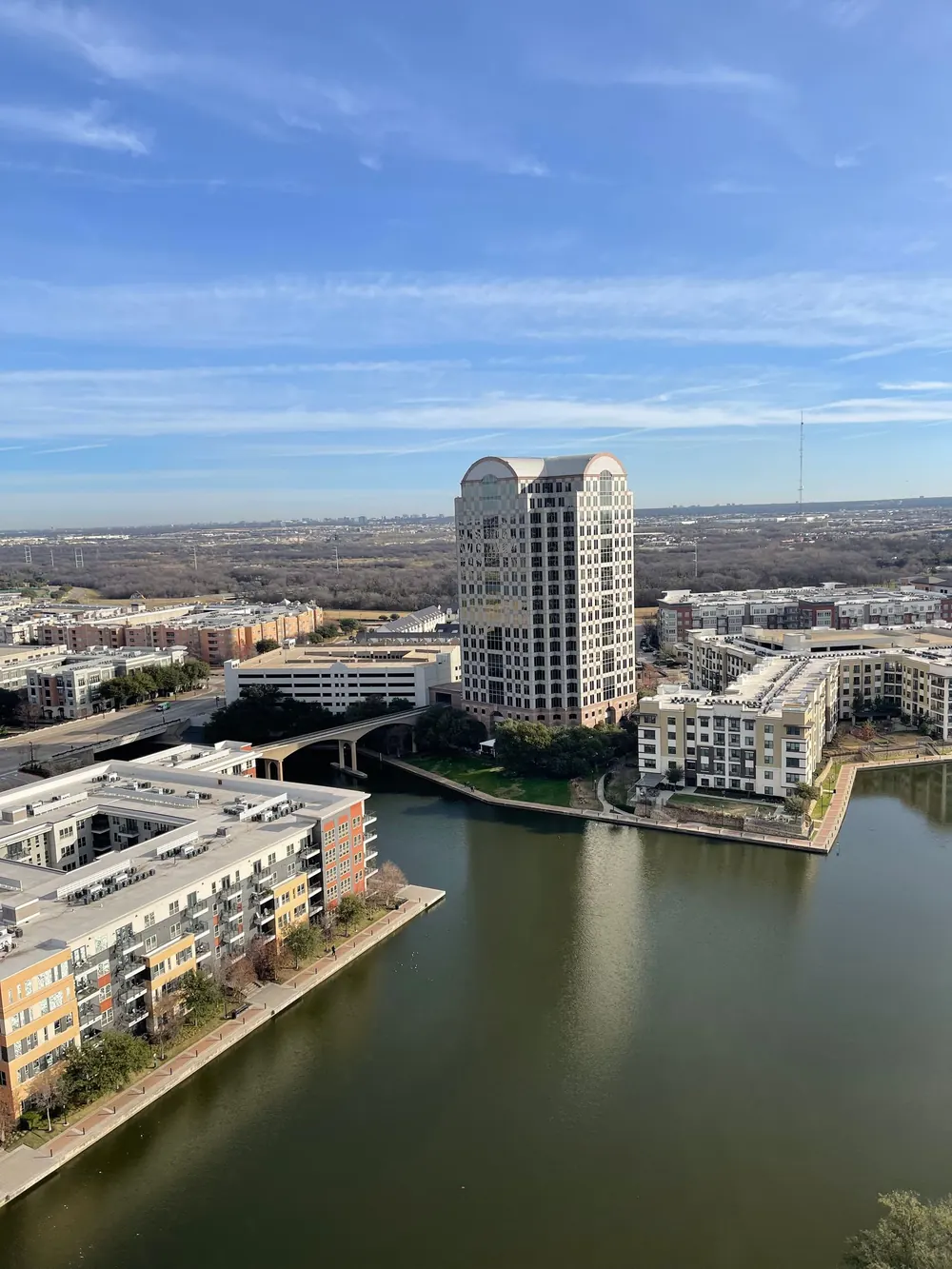
A long, diverse city stretching from near DFW Airport south to Joe Pool Lake. Highlights include Epic Waters indoor waterpark, Lone Star Park, outdoor recreation at Joe Pool Lake and Lynn Creek Park, and a large aerospace and logistics employment base.
- Typical commute
- Grand Prairie sits roughly 12 to 20 miles west of Downtown Dallas and about 20 miles from Fort Worth along I-30, I-20 and SH-161, with quick access to DFW Airport from the north side. Most residents drive.
- Who it suits
- Budget-minded renters and buyers wanting central access to both cities, families who love the outdoors, and people working near the airport or in the I-30 and SH-161 corridors.
- Schools
- Grand Prairie ISD (which offers a wide range of choice schools) serves much of the city; south Grand Prairie is largely Mansfield ISD, and some areas are in Arlington or Cedar Hill ISD. Compare campuses on TXschools.gov (Texas Education Agency).
- Rent
- Check current listings; rents change monthly. For a neutral benchmark see HUD’s Fair Market Rents.
Getting around the metroplex
DFW is built around the car, with several toll roads (NTTA TollTag, TxTag and EZ TAG all work). Rail options are DART in Dallas and many inner suburbs, the TRE between the two downtowns, Trinity Metro in Fort Worth and DCTA in Denton County.